Noleggiare un’auto a Podgorica
Noleggiare un'auto a Podgorica è rapido e senza complicazioni: prenoti un'auto a Podgorica online da fornitori locali, la maggior parte della flotta include la consegna gratuita in città, e molte auto non richiedono carta di credito al ritiro. Anche il pickup è facile, che tu incontri un incaricato agli arrivi dell'aeroporto di Podgorica 12 km a sud, riceva l'auto in hotel o appartamento, o la ritiri alla stazione di autobus e treni o in un ufficio in centro, con il veicolo pronto pochi minuti dopo l'atterraggio. Da lì la capitale è una base naturale: parcheggi con facilità, poi punti l'auto verso il Lago di Scutari, il canyon della Moraca, il nord montuoso o la costa attraverso il tunnel di Sozina.
Podgorica per chi guida
Podgorica si trova nell'entroterra, sulla piana pianeggiante della Zeta dove convergono sei fiumi, una città di circa 170.000 abitanti disposta su una griglia semplice invece dei vicoli intricati della costa. È la capitale del Montenegro e la sua principale porta d'accesso tutto l'anno, con la rete stradale più moderna del paese e l'unico aeroporto che resta attivo nei mesi tranquilli fuori stagione. Questo rende Podgorica una base naturale più che un luogo di passaggio: parcheggi senza problemi, prendi confidenza con l'auto su strade indulgenti, poi parti per il Lago di Scutari, il monastero di Ostrog e la traversata delle montagne fino alla baia.
Gli autobus servono le città principali ma ti legano al loro orario; un'auto ti restituisce l'intera regione. Il Lago di Scutari è a mezz'ora a sud, il Durmitor e il canyon del Tara riempiono una giornata verso nord, e il tunnel di Sozina ti porta a Kotor e sulla costa in circa settantacinque minuti. La maggior parte dei clienti ritira all'aeroporto di Podgorica, e una volta che le chiavi sono tue fa tutto la strada aperta, con le spiagge di Budva a portata di una comoda corsa a sud quando il caldo chiama un bagno.
Dove ritirare l’auto a Podgorica
Il ritiro a Podgorica è flessibile, e poiché la capitale è lo snodo dei trasporti del paese, la maggior parte dei pickup avviene in aeroporto, alla stazione o direttamente alla tua porta. Le opzioni abituali sono:
- Aeroporto di Podgorica (TGD)
- Hotel Hilton Crna Gora
- Mall of Montenegro
- Stazione ferroviaria
- Hotel Podgorica
Ognuna di queste può essere pronta per il tuo arrivo, e i ritiri one-way tra Podgorica e la costa sono semplici da organizzare se riparti da un altro aeroporto.
Come arrivare e muoversi in auto
La maggior parte dei visitatori raggiunge Podgorica tramite l'aeroporto di Podgorica, ad appena 12 km a sud, circa 15 minuti d'auto. Come principale porta d'accesso del paese tutto l'anno, resta aperto quando gli altri aeroporti riducono l'attività, quindi una consegna agli arrivi o un ritiro one-way è di solito il piano più semplice dopo un volo lungo. Una volta prese le chiavi fa il resto la moderna rete stradale della capitale, con strade veloci verso le montagne a nord, il Lago di Scutari a sud e la costa, gli itinerari che la nostra guida alla guida in Montenegro mappa in dettaglio.
Guidare a Podgorica è molto più semplice che sulla costa, perché la città è disposta su una griglia facile con strade ampie, ben segnalate e incroci prevedibili. La tangenziale che collega la superstrada di Budva alla E65 settentrionale porta traffico veloce ed è ben indicata, quindi orientarsi è semplice. La frustrazione principale sono i frequenti semafori, che sembrano sincronizzati contro di te, quindi la pazienza costante batte la velocità. Verso la baia sono circa settantacinque minuti attraverso il tunnel di Sozina fino a Kotor, con carburante abbondante in città ma scarso sui tratti di montagna, quindi fai il pieno prima di partire.
Prezzi e disponibilità aggiornati per le tue date.
Cancellazione gratuita sulla maggior parte delle auto
Parcheggiare a Podgorica
Il parcheggio è uno dei veri piaceri della guida a Podgorica, senza i grattacapi che affliggono le città costiere. La sosta su strada in centro funziona con un sistema a zone economico: la Zona 1 intorno a piazza Republika costa 0.50 euro l'ora e la Zona 2 più esterna 0.30 euro, pagabili via SMS o alle macchinette sul marciapiede. La maggior parte delle strade fuori dal centro è gratuita e senza restrizioni, quindi lasciare l'auto per la notte è raramente un problema.
Se preferisci non pagare alcun parchimetro, i centri commerciali Delta City e Mall of Montenegro offrono entrambi parcheggio sotterraneo gratuito ai clienti, e c'è un piccolo piazzale su Bulevar Svetog Petra Cetinjskog, a due minuti dalla torre dell'orologio di Stara Varos, che si riempie raramente perfino nei giorni di mercato. Molti viaggiatori aggirano del tutto la questione con la consegna gratuita in città sulla maggior parte delle auto, lasciando il veicolo presso l'alloggio finché non partono. Se fa per te, la consegna al tuo indirizzo si organizza alla prenotazione.
Itinerari panoramici ed escursioni
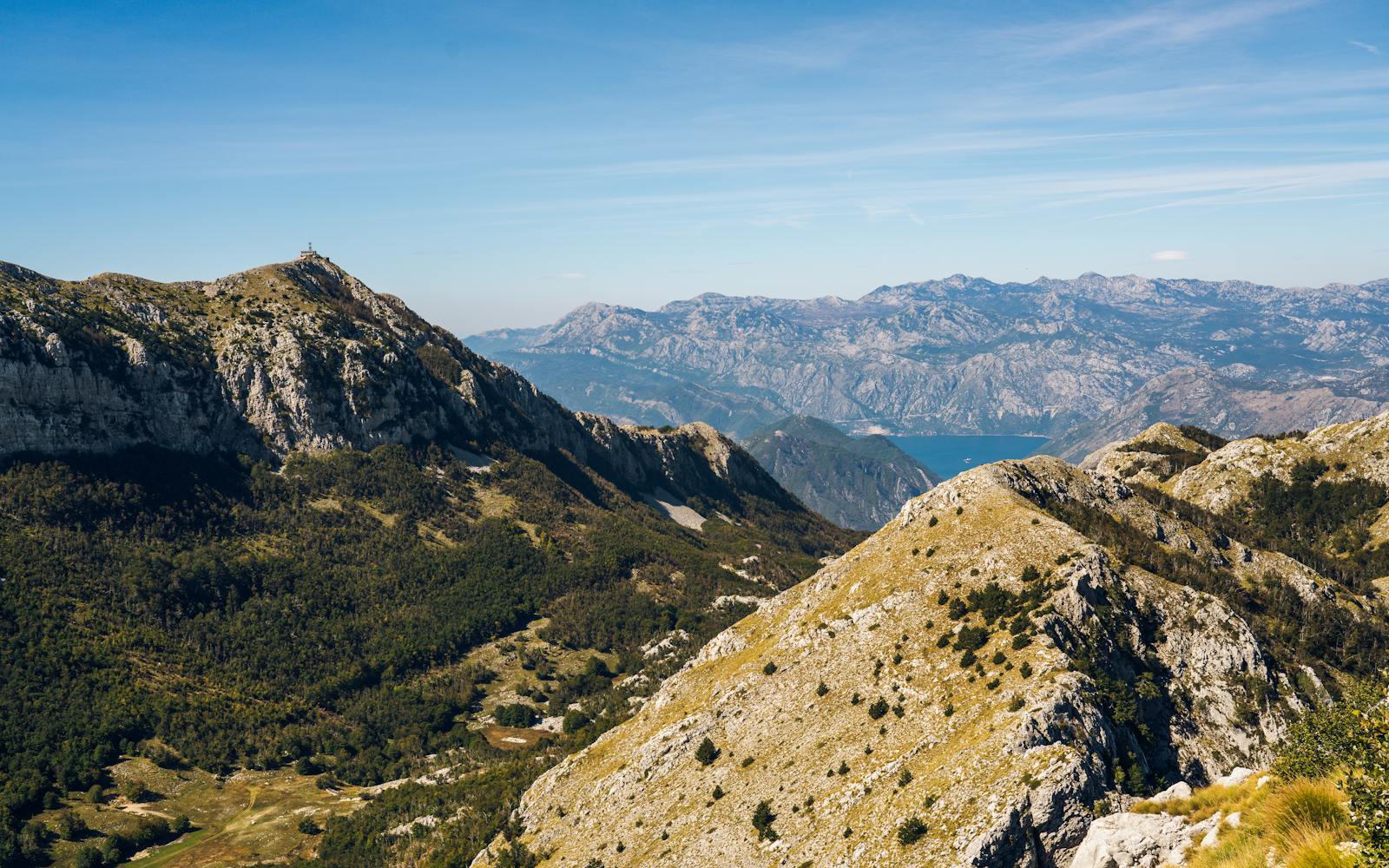
La gita simbolo da Podgorica è il Lago di Scutari, il lago più grande dei Balcani, ad appena trenta minuti a sud su una strada buona e poco trafficata che sale un basso crinale prima di scendere tra vigneti e uliveti fino alla riva. Noleggia una barchetta a Virpazar, scivola tra le ninfee accanto a pellicani e aironi, e torna per una carpa alla griglia in un ristorante sul lago. In primavera il lago sale di diversi metri e interi prati spariscono sott'acqua, il che rende il momento della visita degno di una riflessione.
Guide più brevi si aprono in ogni direzione dalla capitale. Il monastero di Ostrog, incastonato in modo spettacolare in una parete di roccia, è una comoda andata e ritorno in giornata, e Danilovgrad e la valle della Zeta sono a mezz'ora a ovest per bagni nel fiume e una cantina a conduzione familiare. Per una giornata più grande, punta l'auto a nord verso il Durmitor e il canyon del Tara, un paio d'ore a tratta attraverso i paesaggi più belli del paese, e le spiagge di Budva sono una corsa semplice verso sud. Ognuna è comodamente un'andata e ritorno in giornata dalla tua base di Podgorica.
- Aeroporto di Podgoricaappena a sud della città, con accoglienza agli arrivi
- Lake Skadarverso sud fino al lago e alla zona dei vigneti
- Budvaverso le spiagge della riviera
- Cattarofino alla costa attraverso il tunnel Sozina
- Aeroporto di Tivatattraverso le montagne fino alla baia
Itinerari di una giornata da Podgorica
La capitale è il punto di partenza naturale per il lago, i canyon e il nord. Ogni itinerario qui sotto è di andata e ritorno con un'auto a noleggio.
Da Podgorica al lago di Scutari (mezza giornata)
Verso sud fino a Virpazar per una gita in barca tra le isole e i monasteri del lago, con una degustazione di vini della Crmnica sulla via del ritorno. Circa 80 km tra andata e ritorno, 4-5 ore.
Da Podgorica al monastero di Ostrog (mezza giornata)
Verso nord-ovest fino al monastero di Ostrog incastonato nella roccia, il luogo di pellegrinaggio più visitato del Montenegro, poi di nuovo attraverso la valle della Zeta. Circa 100 km tra andata e ritorno, mezza giornata.
Da Podgorica a Kotor e alla costa (giornata intera)
Verso ovest attraverso il tunnel di Sozina fino alle Bocche di Cattaro per il centro storico e un giro lungo la baia, rientrando da Budva. Circa 180 km tra andata e ritorno, una giornata intera.
Da Podgorica al canyon della Morača e al nord (giornata intera)
Verso nord lungo il canyon del fiume Morača in direzione di Kolašin e della foresta di Biogradska Gora, terra di montagna profonda. Circa 160 km tra andata e ritorno, una giornata intera.
Guidare a Podgorica: strade, regole e carburante
Podgorica ti offre la rete stradale più moderna del paese, il che rende l'ambientamento con un'auto a noleggio qui decisamente più dolce che partire dalla costa. Nuovi tratti veloci si diramano dalla capitale, compreso il tratto di punta Bar-Boljare che corre da Smokovac fino a Matesevo con lunghe gallerie e alti viadotti. Il fondo è liscio, le corsie ampie e le pendenze molto più gentili dei tornanti più a sud, quindi i primi chilometri di qualsiasi viaggio scorrono senza sforzo.
In città la guida resta piatta e senza fretta, con l'unico vero test nei frequenti semafori che scandiscono i viali più che in tratti stretti o ripidi. Verso la costa attraversi il tunnel di Sozina, con un piccolo pedaggio pagato al casello all'ingresso. Le stazioni di servizio sono numerose e ben tenute in tutta la capitale, e i prezzi sono standardizzati a livello nazionale, quindi paghi più o meno lo stesso qualunque insegna scegli per fare il pieno.
Cosa serve per noleggiare
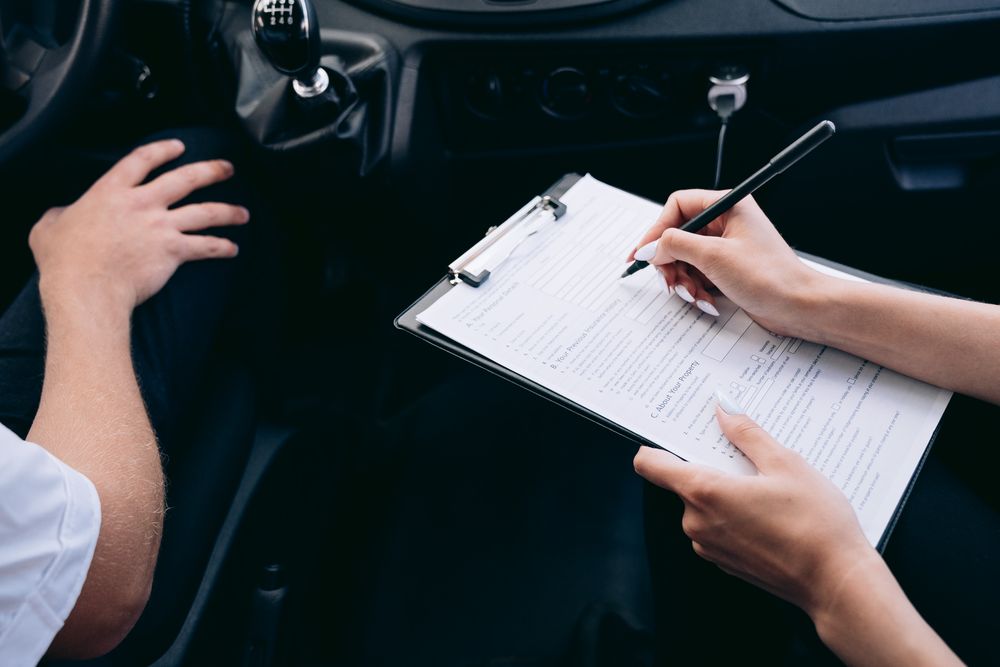
Per ritirare un'auto a Podgorica servono una patente completa posseduta da circa un anno, più un passaporto o una carta d'identità nazionale per confermare identità ed età. Il conducente principale deve di solito avere almeno 21 anni, anche se una manciata di auto accetta conducenti dai 18, e il limite superiore è intorno ai 70 con la maggior parte dei fornitori. Porta la patente fisica e non una foto, perché l'incaricato controlla l'originale alla consegna prima di rilasciare le chiavi.
Al ritiro viene trattenuta una cauzione rimborsabile a garanzia dell'auto, restituita quando la riporti in buono stato, con importo variabile in base al veicolo e alla copertura scelta. La parte rassicurante per chi noleggia a Podgorica è che la carta di credito non è richiesta: molte auto si possono ritirare con carta di debito o contanti, il che elimina il solito problema per chi non ha plastica con linea di credito. Conferma cauzione esatta e metodi di pagamento accettati alla prenotazione.
Noleggi con riconsegna in un’altra località
Podgorica si presta bene a un noleggio auto one-way, perché puoi ritirare in aeroporto o in città e lasciare l'auto in tutt'altro posto. Molti visitatori iniziano nella capitale e finiscono sulla costa, lasciando il veicolo a Kotor o Tivat prima di ripartire in aereo o in barca, mentre altri cambiano punto interno a metà viaggio. L'unica restrizione da notare è che le riconsegne oltre confine non sono supportate, quindi l'auto deve restare in Montenegro.
Assicurazione e deposito cauzionale
Ogni noleggio include di serie la copertura gratuita Minimum di responsabilità verso terzi, che soddisfa il requisito legale per guidare in Montenegro. Sui livelli più bassi viene trattenuto un deposito cauzionale rimborsabile di circa EUR 100, sbloccato dopo una riconsegna senza danni, e la maggior parte dei veicoli si può ritirare senza carta di credito, cosa insolita per la regione e comoda se viaggi solo con carta di debito o contanti.
Se preferisci ridurre la tua esposizione sui lunghi tragitti interni e sui tratti veloci, gli upgrade a pagamento salgono attraverso i livelli Basic e Full Coverage. Il livello massimo Full Coverage Plus elimina del tutto la franchigia e azzera la cauzione, così sulla tua carta non viene bloccato nulla. Anche il pagamento è flessibile: contanti, carta e perfino cripto sono accettati.
Per i tratti veloci verso la costa e le guide più lunghe a nord in montagna, un diesel confortevole come la Peugeot 308 è la scelta ideale, abbastanza parca per i lunghi tratti interni ma abbastanza stabile e raffinata da rendere il passaggio del tunnel di Sozina e la salita al Durmitor davvero rilassanti.
Ritira le chiavi e parti
Da Podgorica un'auto trasforma una sosta nella capitale in un viaggio attraverso l'intero paese: ritira in aeroporto, parcheggia con facilità sulla griglia pianeggiante della città e guida verso laghi, canyon e montagne che la maggior parte dei visitatori della costa non raggiunge mai. Consegna gratuita sulla maggior parte delle auto, una porta d'accesso aperta tutto l'anno a minuti dal centro, copertura verso terzi inclusa e maggior parte delle auto senza carta di credito mantengono tutto semplice. Prenota prima l'auto e il Lago di Scutari, le vette del nord e la costa attraverso il tunnel di Sozina sono tutti a una giornata di guida.
Domande frequenti sul noleggio a Podgorica
Ti chiedi dove ritirare, quanto è facile davvero parcheggiare nella capitale, o quanto dura la guida verso la costa attraverso il tunnel di Sozina? Queste sono le domande che i clienti di Podgorica ci fanno più spesso.
Dove ritiro la mia auto a Podgorica?
La maggior parte dei clienti ritira all'aeroporto di Podgorica, dove un incaricato ti aspetta agli arrivi, ma la consegna gratuita in città al tuo hotel o appartamento è disponibile sulla maggior parte delle auto, quindi spesso non devi andare da nessuna parte. Si può anche organizzare il ritiro in un ufficio in centro, alla stazione di autobus e treni o in un centro commerciale.
Quanto dista la costa, e quanto dura la guida fino a Kotor?
La costa è a circa settantacinque minuti attraverso il tunnel di Sozina, con Kotor raggiunta su una strada veloce di standard autostradale via Budva. L'alternativa è la panoramica via di montagna sulla serpentina del Lovcen via Cetinje, che richiede circa 90 minuti ed è più impegnativa ma spettacolare.
Com'è la situazione parcheggi a Podgorica?
Parcheggiare qui è davvero facile, a differenza della costa. La sosta su strada in centro funziona con un sistema a zone economico da 0.30 a 0.50 euro l'ora, la maggior parte delle strade più esterne è gratuita e senza restrizioni, e i centri commerciali Delta City e Mall of Montenegro offrono parcheggio sotterraneo gratuito ai clienti.
Servono una carta di credito o una cauzione elevata?
La maggior parte delle auto si può noleggiare senza carta di credito, e sui livelli assicurativi più bassi viene trattenuto solo un deposito cauzionale rimborsabile di circa EUR 100. Scegliendo l'upgrade Full Coverage Plus elimini la franchigia e azzeri del tutto la cauzione. Contanti, carta e cripto sono tutti accettati.
Qual è l'età minima e l'esperienza di guida richiesta per noleggiare a Podgorica?
Dipende dall'auto. I veicoli entry-level sono disponibili dai 18 anni con almeno un anno di esperienza di guida, la maggior parte della flotta è aperta dai 21, e alcune categorie richiedono due o tre anni al volante. Il limite superiore abituale è intorno ai 70. Filtra per età ed esperienza quando prenoti e vedrai solo le auto di Podgorica che puoi effettivamente guidare.
Posso ritirare a Podgorica e riconsegnare altrove?
Sì, ritiri e riconsegne one-way sono disponibili, anche iniziando a Podgorica e finendo sulla costa a Kotor o in un'altra città. Comunicaci il tuo piano alla prenotazione così da predisporre l'auto e la tariffa giuste.
L'aeroporto di Podgorica è un buon punto di partenza per un viaggio?
Sì. L'aeroporto di Podgorica è ad appena 12 km a sud della città ed è la principale porta d'accesso del Montenegro tutto l'anno, restando aperto nei mesi più tranquilli quando gli altri aeroporti riducono l'attività. Un incaricato ti aspetta agli arrivi, il che lo rende un posto facile e affidabile in cui ritirare un'auto e partire.
Ritira in aeroporto o fatti consegnare l'auto gratis in città.
Cancellazione gratuita disponibile sulla maggior parte delle auto