Noleggiare un’auto all’aeroporto di Dubrovnik
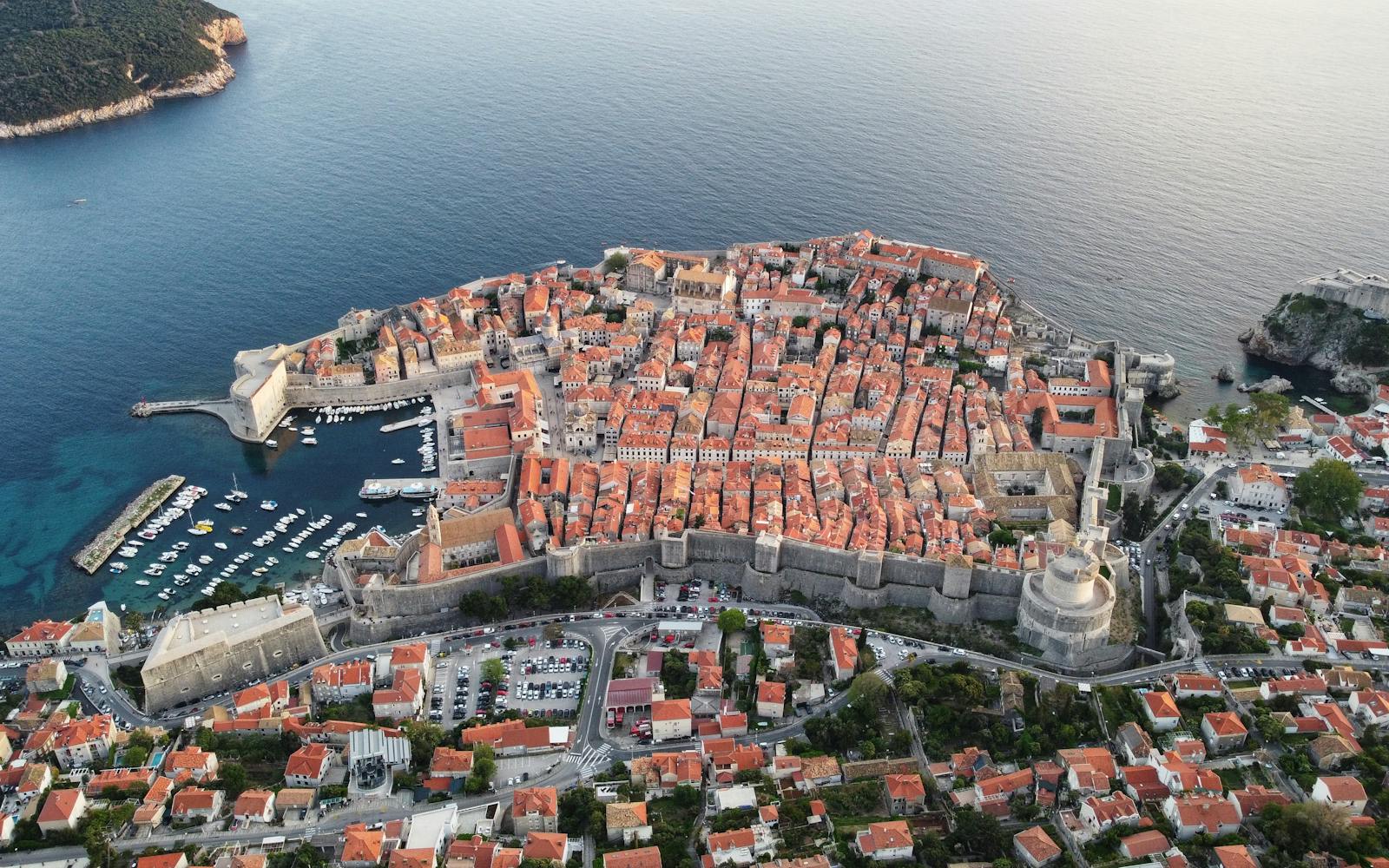
L'aeroporto di Dubrovnik (DBV) offre ai viaggiatori britannici e dell'Europa occidentale la più ampia scelta di voli diretti vicino alla baia, e prenotare un'auto all'aeroporto di Dubrovnik significa partire subito lungo la costa invece di aspettare un transfer. Un incaricato ti incontra nel terminal per consegnarti insieme le chiavi e i documenti transfrontalieri. Poiché DBV si trova in Croazia, appena a nord del confine, l'unica cosa da definire in anticipo è il permesso transfrontaliero con Carta Verde per il tragitto in Montenegro, aggiunto come extra a pagamento alla prenotazione. Dopo di che, il viaggio fino a Kotor è circa novanta minuti di costa adriatica aperta.
Perché ritirare all’aeroporto di Dubrovnik
La rete di voli di Dubrovnik è molto più ampia di quella dei due aeroporti montenegrini messi insieme, con rotte tutto l'anno verso la maggior parte delle grandi città europee e decine di voli low-cost aggiuntivi in estate. Per chi arriva dalla Gran Bretagna o dall'Europa occidentale, questa scelta è il motivo per atterrare qui e ritirare un'auto al terminal: atterri, raggiungi il banco noleggio a piedi e guidi verso sud invece di aspettare un transfer poco frequente o studiare gli autobus transfrontalieri. Il compromesso è la frontiera, ma la ricompensa è una delle grandi strade costiere del Mediterraneo che ti aspetta dall'altra parte.
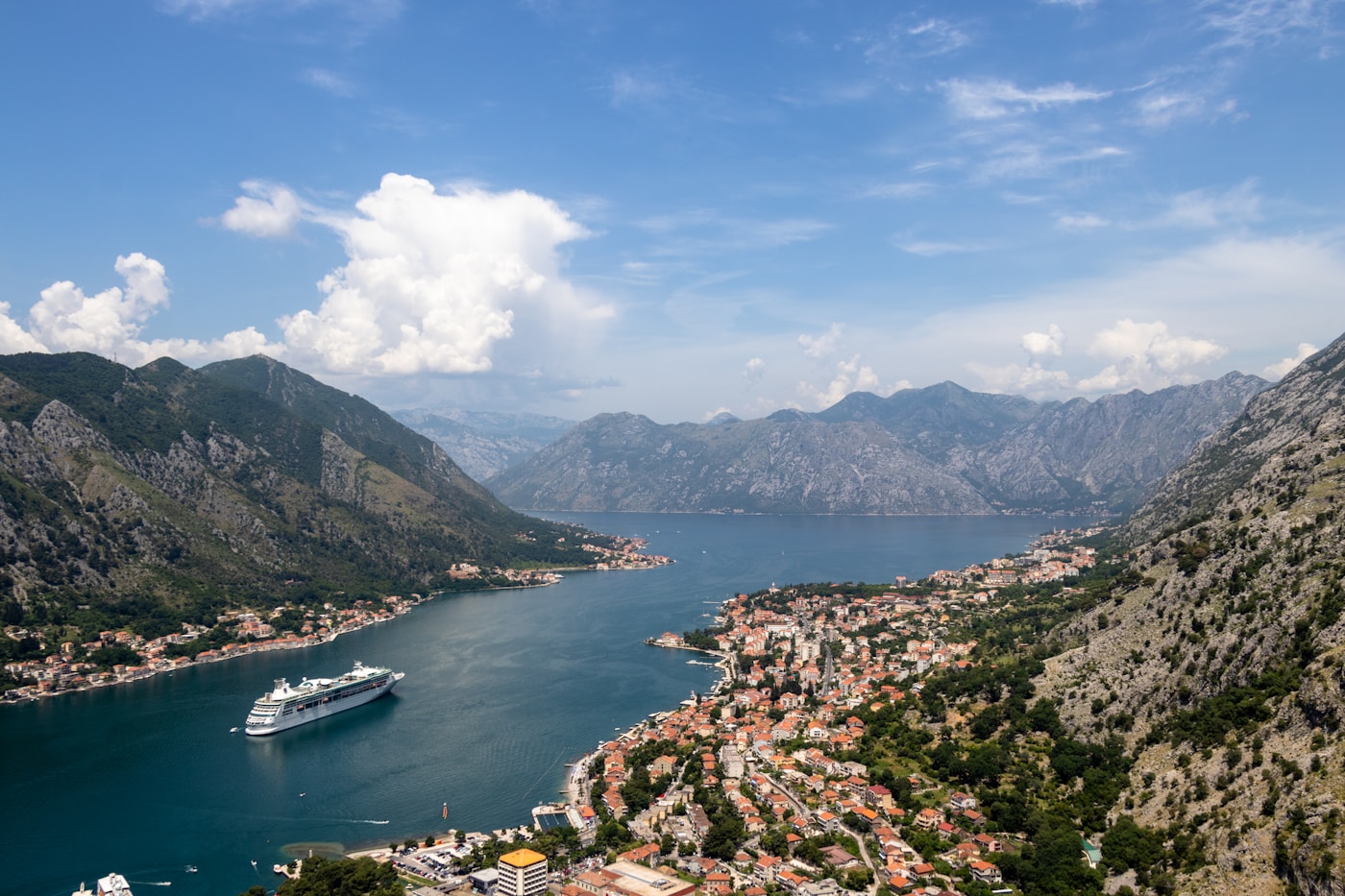
Ritirare a DBV trasforma l'aeroporto stesso nell'inizio del viaggio invece che in un ostacolo. La strada segue la costa per tutta la discesa, entrando a Herceg Novi alla bocca della baia prima di percorrere il braccio settentrionale verso i bastioni, e avere la tua auto significa decidere il ritmo e fermarti dove preferisci. Con la Carta Verde predisposta alla prenotazione, le chiavi sono pronte quando atterri, e la baia si apre dal momento in cui esci dal terminal invece che da un punto di transfer prestabilito. Scopri come si posiziona come miglior aeroporto per Kotor.
Dove ritirare l’auto
Il ritiro a Dubrovnik è un'accoglienza agli arrivi, con chiavi e documenti transfrontalieri consegnati insieme nel terminal. La consegna gratuita in città è principalmente un'opzione sul lato montenegrino, quindi le scelte abituali qui sono:
- Sala arrivi dell'aeroporto di Dubrovnik (DBV)
Qualunque cosa tu organizzi, il permesso transfrontaliero e la Carta Verde vengono emessi con l'auto al ritiro, e i ritiri one-way sono semplici se riparti da un altro aeroporto.
In auto dall’aeroporto alla baia
Dal terminal la strada corre verso sud attraverso Cilipi e la valle di Konavle, tra vigneti e case coloniche in pietra, raggiungendo il valico costiero di Debeli Brijeg (Karasovici sul lato croato) dopo circa trenta minuti. Questo è il passaggio che richiede pianificazione: un'auto a noleggio portata in Montenegro richiede il permesso transfrontaliero e la Carta Verde con il paese indicato, emessi in anticipo e impossibili da organizzare alla sbarra.
Superato il valico, la strada scende attraverso una serie di gallerie fino a Herceg Novi alla bocca della baia, poi segue la sponda settentrionale verso est. A Kamenari un breve traghetto attraversa il punto più stretto della baia in circa cinque minuti, con partenze ogni dieci-quindici minuti dal primo mattino fino a tarda notte per circa EUR 4.50 ad auto, risparmiando il lungo anello della baia interna. Calcola in tutto circa novanta minuti per raggiungere Kotor, più quanto aggiunge la frontiera, e mantieni un ritmo costante sulla strada costiera a due corsie, dove i pullman estivi rallentano il traffico. La nostra guida completa copre il viaggio in auto da Dubrovnik a Kotor.
Prezzi e disponibilità aggiornati per le tue date.
Cancellazione gratuita sulla maggior parte delle auto
Ritiro, frontiera e riconsegna
Trattandosi di un ritiro transfrontaliero, il pickup a Dubrovnik richiede un po' più di pianificazione rispetto a un aeroporto nello stesso paese. Il passo più importante in assoluto è avere il permesso transfrontaliero e la Carta Verde predisposti prima di volare, perché vengono emessi in anticipo e consegnati con l'auto al ritiro, non acquistati sul posto a Debeli Brijeg. Porta passaporto e patente, tieni in auto il contratto di noleggio originale e il libretto di circolazione, e avrai tutto ciò che l'agente di frontiera chiederà.
Definisci i documenti al ritiro e il resto è semplice: tieni passaporto, patente, contratto e Carta Verde insieme in una busta sul cruscotto, così il gabbiotto può controllarli in un solo passaggio. Sulla maggior parte delle auto puoi ritirare senza carta di credito, il che elimina il classico intoppo aeroportuale. Se preferisci saltare la logistica del terminal su un viaggio transfrontaliero, la consegna è disponibile sul lato montenegrino una volta attraversato il confine, e per la riconsegna basta un giorno di preavviso prima del volo di partenza; la prenotazione è sincronizzata sul tuo orario esatto di arrivo.
Dove andare con un’auto a noleggio
Una volta oltre il confine, un'auto trasforma l'intera baia in una serie di guide facili da un'unica base. Herceg Novi, la prima città sulla sponda settentrionale, è una tappa rilassata con la sua città vecchia sulla collina e la fortezza di Kanli Kula sopra il lungomare. Prosegui e Perast merita una pausa caffè sulla banchina, con i suoi palazzi barocchi e le due isole sullo sfondo delle montagne, prima dell'ultimo tratto dove le pareti si stringono e i bastioni di Kotor appaiono aggrappati alla roccia.
Da Kotor gli itinerari si aprono in ogni direzione: la serpentina del Lovcen sale a tornanti stretti fino a un belvedere a picco sulla città vecchia, mentre a sud, oltre il tunnel, le spiagge di Budva distano circa mezz'ora. A nord dell'aeroporto, la costa croata offre un comodo anello di mezza giornata senza bisogno di permesso di frontiera, così un solo noleggio apre entrambi i lati del confine. Pianifica le guide transfrontaliere intorno al permesso e tieni i giorni con la sola patente per le deviazioni spontanee.
- Castelnuovola prima città oltre la frontiera
- Perastolungo la riva interna della baia
- Cattarolungo la costa e con il traghetto di Kamenari
- Teodoproseguendo attorno alla baia occidentale
- Budvapiù a sud lungo la strada costiera
In viaggio dall’aeroporto di Dubrovnik
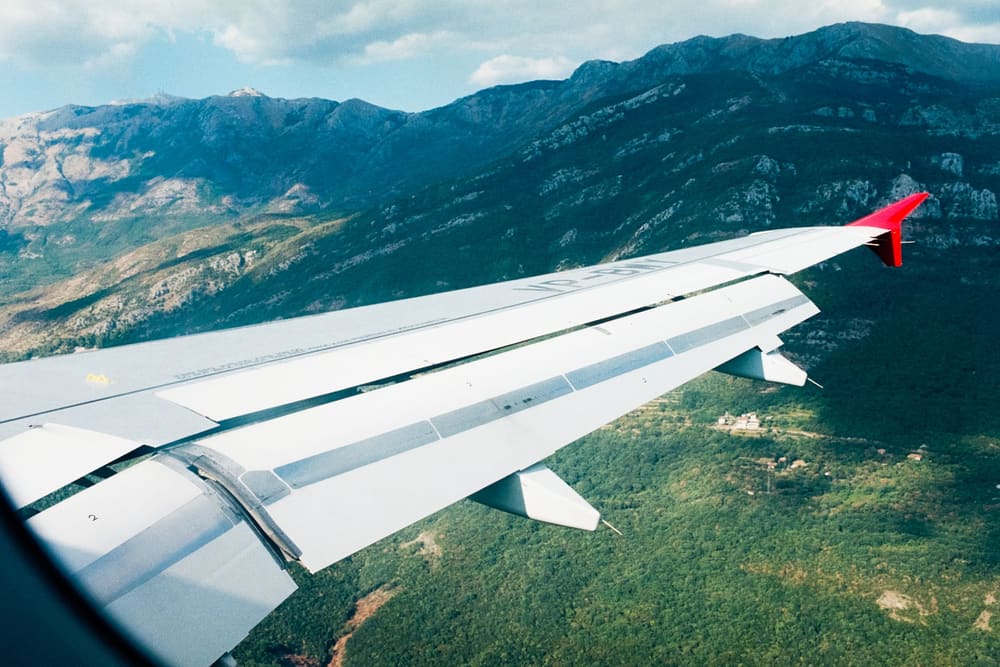
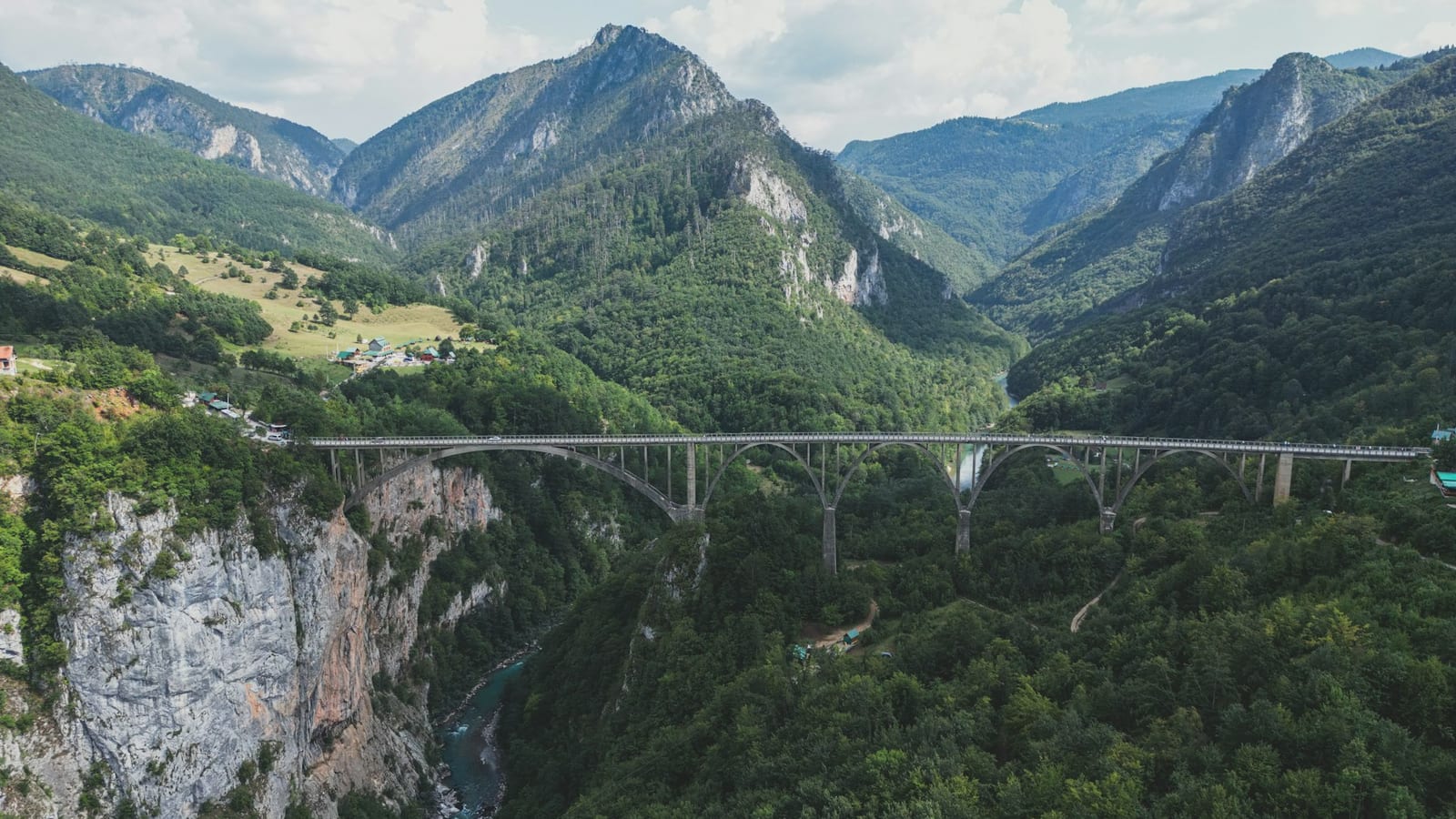
Il tragitto dall'aeroporto di Dubrovnik alla Baia di Kotor segue la statale adriatica, la E65 costiera che abbraccia la riva quasi per tutto il percorso. È una guida davvero panoramica, ma anche onesta: una strada per lo più a due corsie che serpeggia a ogni promontorio, quindi si procede con costanza più che con velocità. Si guida a destra, come in tutta la regione, con limiti in genere di 50 km/h nei centri abitati e fino a 90 km/h nei tratti aperti. Occhio a pullman lenti e ciclisti nelle curve.
La frontiera è la parte da pianificare. A luglio e agosto il valico può intasarsi nelle ore di punta, quindi una partenza all'alba o un arrivo a metà pomeriggio significa di solito una coda più corta rispetto alla tarda mattinata. Una volta passato, un breve traghetto attraverso lo stretto della baia può accorciare l'anello interno se la strada della baia interna è trafficata. Il carburante è facile da trovare sia sul lato croato che su quello montenegrino, con prezzi standardizzati in ciascun paese, quindi non serve riempire il serbatoio prima di attraversare.
Cosa serve per noleggiare
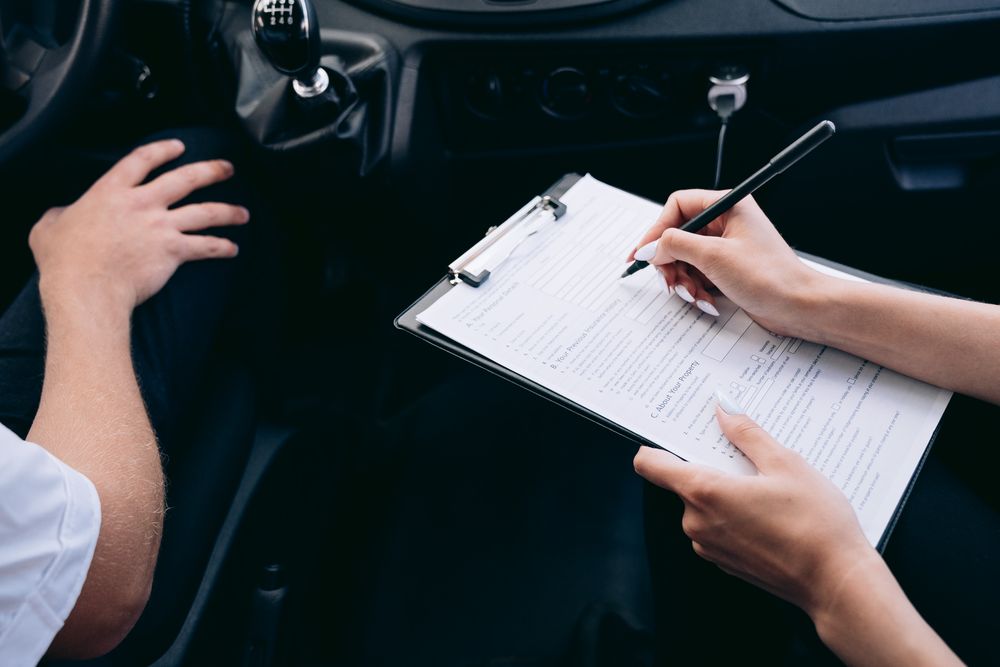
Un noleggio transfrontaliero richiede qualcosa in più di uno nazionale, quindi presentati al ritiro con il set completo. Ti servono una patente completa posseduta da circa un anno, il passaporto o la carta d'identità per la frontiera, e il contratto di noleggio da tenere in auto. Il documento che conta di più qui è la Carta Verde, o permesso transfrontaliero, predisposta al momento della prenotazione: è ciò che rende il veicolo autorizzato a passare dalla Croazia al Montenegro, e non può essere organizzata alla sbarra.
Quanto all'età, si può attraversare la frontiera dai 18 anni, anche se la maggior parte delle categorie parte dai 21, con un limite indicativo superiore intorno ai 70 a seconda dell'auto e della copertura scelta. Al ritiro viene trattenuto un deposito cauzionale rimborsabile, sbloccato dopo una riconsegna senza danni. Utile per chi viaggia senza carta di credito: la maggior parte delle auto qui si può ritirare senza, quindi in genere sono accettati una carta di debito o una cauzione in contanti. Verifica che il permesso transfrontaliero sia sulla tua prenotazione prima di volare.
Noleggi con riconsegna in un’altra località
Il one-way funziona alla perfezione dall'aeroporto di Dubrovnik: ritiri agli arrivi in Croazia e lasci l'auto in un punto della baia invece di tornare fino al terminal. L'unico limite da conoscere è la direzione. Un'auto noleggiata sul lato montenegrino non può essere riconsegnata in Croazia, quindi pianifica la riconsegna entro il Montenegro e organizza un transfer separato per il volo se parti da Dubrovnik.
Assicurazione e deposito cauzionale
Ogni noleggio include di serie la copertura gratuita Minimum di responsabilità verso terzi, che soddisfa il requisito legale per guidare in Montenegro. Sui livelli più bassi viene trattenuto un deposito cauzionale rimborsabile di circa EUR 100, sbloccato dopo una riconsegna senza danni, e la maggior parte dei veicoli si può ritirare senza carta di credito, cosa insolita per la regione e comoda se viaggi solo con carta di debito o contanti.
Se preferisci ridurre la tua esposizione sulle strade strette della baia e sul tragitto transfrontaliero, gli upgrade a pagamento salgono attraverso i livelli Basic e Full Coverage, e il livello massimo Full Coverage Plus elimina del tutto la franchigia e azzera la cauzione, così sulla tua carta non viene bloccato nulla. Da sapere per questo aeroporto: la Carta Verde è il certificato assicurativo internazionale che rende valida la tua copertura oltre confine, predisposta come extra transfrontaliero alla prenotazione.
Per la lunga discesa costiera da Dubrovnik e le code estive alla frontiera, una compatta confortevole come la VW Golf centra il punto giusto, abbastanza stabile da veleggiare sulla E65 e tenere l'aria condizionata accesa in una lenta coda di frontiera, ma abbastanza piccola da infilarsi in un posto sul lungomare una volta raggiunta la baia.
Atterra, ritira e attraversa la frontiera
Volare su Dubrovnik ti compra le rotte; un'auto agli arrivi ti compra la libertà di usarle. Atterra, ritira l'auto con il permesso transfrontaliero e la Carta Verde in mano, e i novanta minuti di strada costiera fino a Kotor diventano parte della vacanza invece che un transfer da sopportare. Con la copertura verso terzi inclusa, la maggior parte delle auto disponibile senza carta di credito, la scorciatoia del traghetto a Kamenari e le riconsegne one-way se riparti da un altro scalo, la traversata di frontiera è l'unica cosa da pianificare, e le nostre guide la coprono per intero.
Domande frequenti sul noleggio all’aeroporto di Dubrovnik
Ti chiedi quale permesso serve per guidare un'auto a noleggio dalla Croazia al Montenegro, o quanto dura davvero il tragitto costiero fino a Kotor? Queste sono le domande che i clienti all'aeroporto di Dubrovnik ci fanno più spesso.
Serve un permesso speciale per guidare un'auto a noleggio da Dubrovnik a Kotor?
Sì. Un'auto a noleggio portata oltre confine in Montenegro richiede un permesso transfrontaliero e una Carta Verde con il Montenegro tra i paesi coperti. Entrambi si aggiungono come extra a pagamento alla prenotazione e vengono consegnati con l'auto; non possono essere organizzati alla frontiera, quindi verifica che siano sul tuo contratto prima di volare.
Quanto dura il viaggio dall'aeroporto di Dubrovnik a Kotor?
Calcola circa novanta minuti più quanto aggiunge la frontiera. La strada corre verso sud lungo la costa adriatica, attraversa a Debeli Brijeg, scende a Herceg Novi e poi prosegue lungo la sponda settentrionale via Perast oppure prende il traghetto di Kamenari attraverso la baia. In piena estate la coda alla frontiera può aggiungere una o due ore, quindi pianifica l'arrivo di conseguenza.
Quale valico di frontiera conviene usare tra Croazia e Montenegro?
Il valico costiero principale è Debeli Brijeg sul lato montenegrino e Karasovici su quello croato, aperto 24 ore. A luglio e agosto aspettati attese di una o due ore nei momenti di punta, più leggere nelle mattine feriali prima delle 08:00 e la sera dopo le 20:00. Esiste un'alternativa interna più tranquilla vicino a Trebinje, ma allunga i tempi di guida.
Qual è l'età minima e l'esperienza di guida richiesta per noleggiare all'aeroporto di Dubrovnik?
Dipende dall'auto. I veicoli entry-level sono disponibili dai 18 anni con almeno un anno di esperienza di guida, la maggior parte della flotta è aperta dai 21, e alcune categorie richiedono due o tre anni al volante. Il limite superiore abituale è intorno ai 70. Filtra per età ed esperienza quando prenoti e vedrai solo le auto dell'aeroporto di Dubrovnik che puoi effettivamente guidare.
Servono una carta di credito o una cauzione elevata?
La maggior parte delle auto si può noleggiare senza carta di credito, e sui livelli assicurativi più bassi viene trattenuto solo un deposito cauzionale rimborsabile di circa EUR 100. Scegliendo l'upgrade Full Coverage Plus elimini la franchigia e azzeri del tutto la cauzione. Contanti, carta e cripto sono tutti accettati, quindi di solito bastano una carta di debito e la patente.
Posso ritirare a Dubrovnik e riconsegnare in Montenegro?
Sì, ritiri e riconsegne one-way sono disponibili, comprese le riconsegne in un aeroporto montenegrino o in una città della baia. È l'ideale per chi atterra a Dubrovnik ma riparte dal Montenegro. Comunicaci il tuo itinerario alla prenotazione, così auto, tariffa e documenti transfrontalieri saranno pronti prima della partenza.
Quali documenti servono alla frontiera?
Il passaporto o la carta d'identità UE (originale, non una fotocopia), la patente, il contratto di noleggio originale con il timbro della società, la Carta Verde con il Montenegro indicato e il libretto di circolazione del veicolo, che dovrebbe già trovarsi in auto. Tienili insieme in una busta sul cruscotto e consegna l'intero set quando è il tuo turno.
Confronta auto e tariffe per le tue date, poi prenota in un paio di minuti.
Copertura verso terzi gratuita su ogni prenotazione