Una città costruita sulla fede e sulla pietra
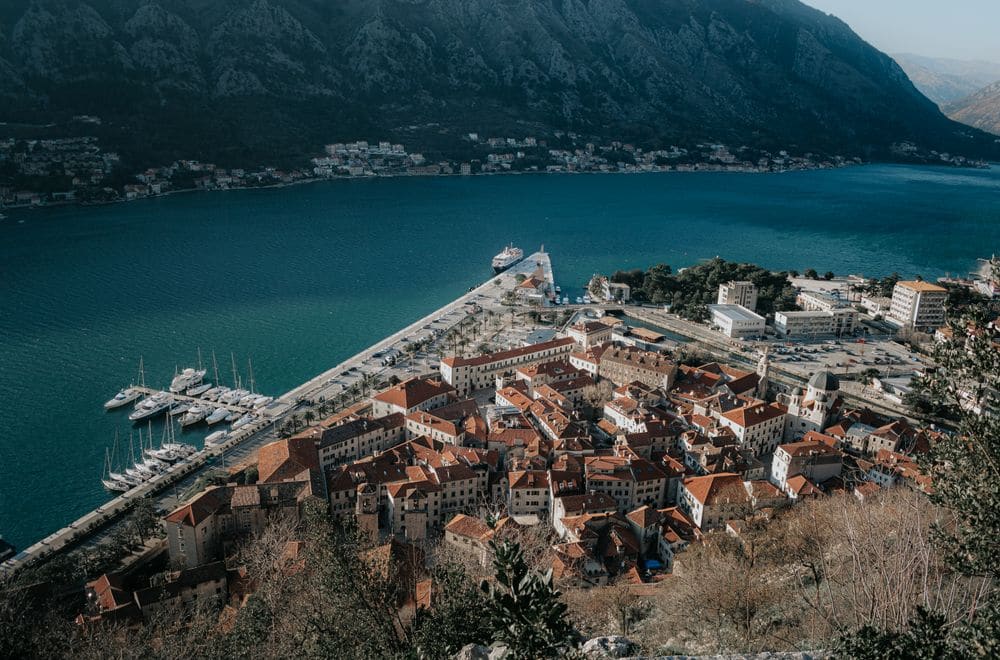
La Città vecchia di Cattaro misura appena 600 metri da porta a porta, eppure racchiude più di venti chiese e cappelle dentro le mura. I visitatori si concentrano sulla Cattedrale di San Trifone, fotografano le torri gemelle e proseguono. Nel frattempo una dozzina di santuari minori rimangono aperti in vicoli silenziosi, con interni affrescati visti quasi da nessuno.
Questa guida copre sei tra i più gratificanti. Tutti dentro le mura della Città vecchia di Cattaro, tutti a ingresso libero (offerte gradite), nessuno presente nei tour turistici standard delle navi da crociera.
Chiesa di San Luca (Sveti Luka)
Costruita nel 1195, San Luca sorge sulla piazzetta omonima. Per secoli servì contemporaneamente comunità ortodosse e cattoliche, una disposizione a doppio altare quasi unica in Europa. L'interno è in penombra, l'iconostasi riccamente dipinta, e il pavimento di pietra consumato conserva l'impronta di ottocento anni di fedeli.
Entrate e lasciate adattare gli occhi. Il soffitto è basso, i muri vicini e il silenzio immediato. L'iconostasi ortodossa risale al XVII secolo e mostra santi in foglia d'oro su fondi scuri. Nel pavimento, pannelli di vetro rivelano strati di pavimentazioni precedenti, il più antico del XII secolo. In estate aperta circa dalle 08:00 alle 19:00, in inverno con orari più brevi. Nessun biglietto, ma una cassetta per le offerte vicino alla porta.
Chiesa collegiata di Santa Maria (Sveta Marija Koledjata)
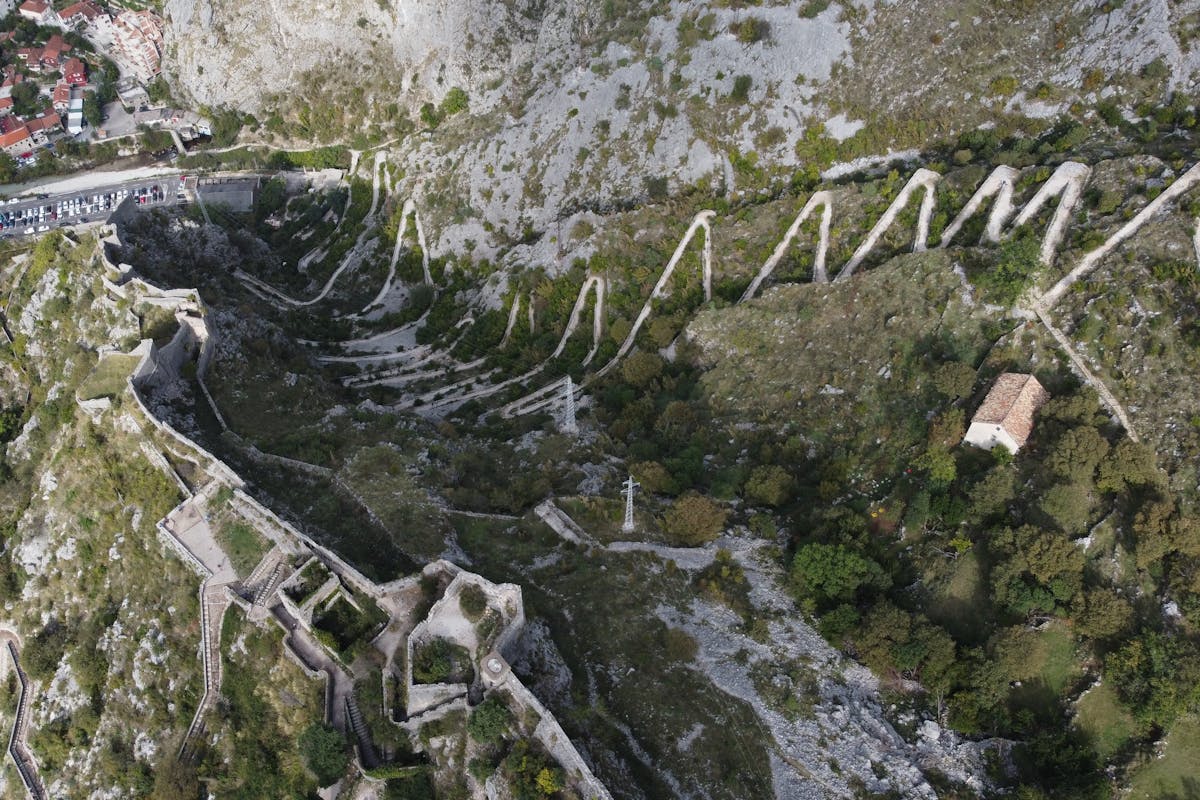
Situata vicino all'inizio del sentiero della fortezza, Santa Maria era un tempo il luogo di culto quotidiano della maggior parte dei locali. L'edificio del XIII secolo è modesto fuori, ma il portale di pietra scolpita merita un esame ravvicinato. Oggi funziona come biglietteria per la salita alla fortezza, quindi la maggior parte dei visitatori passa dritta senza soffermarsi sull'interno.
L'interno fu gravemente danneggiato dal terremoto del 1979 e restaurato solo in parte. Ciò che rimane è più atmosferico che levigato: mura di pietra a vista, un altare semplice e frammenti di scultura medievale incastonati nelle pareti laterali. Una piccola raccolta di fotografie vicino all'ingresso documenta i danni del terremoto e i lavori di restauro. Un sobrio promemoria: questi edifici sono sopravvissuti non per conservazione ma per tenacia.
La Cappella di Sant'Anna
Infilata in un vicolo cieco tra Trg od Brašna e la Porta Nord, la cappella di Sant'Anna è facile da non vedere. Di giorno la porta è di solito socchiusa. Dentro: una sola stanzetta con altare di pietra, un affresco sbiadito sopra e il profondo silenzio di chi è invisibile al passaggio.
L'affresco sopra l'altare si ritiene del XV secolo, anche se secoli di fumo di candela hanno oscurato molti dettagli. Nelle mattine chiare la luce del sole entra da una stretta finestra laterale e coglie la superficie dipinta in modo da rivelare colori altrimenti invisibili, blu e rossi che emergono dalla fuliggine. Il vicolo fuori ospita spesso gatti addormentati sulle pietre tiepide, motivo per cui diversi visitatori hanno trovato la cappella per caso, seguendo un gatto.
Chiesa di San Michele
Vicino alla Porta del Fiume, San Michele fonde elementi romanici e gotici in un edificio sopravvissuto a terremoti, incendi e secoli di abbandono. Il campanile pende visibilmente. In estate, all'interno è esposta una piccola raccolta d'arte sacra.
La chiesa sorge su un piccolo piano rialzato sopra il vicolo, posizione leggermente elevata che cattura benissimo la luce del mattino. Le finestre ad arco romaniche sulla parete sud sono originali del XII secolo, mentre l'arco gotico a sesto acuto del portale principale fu aggiunto durante le ristrutturazioni del XIV secolo. Dentro cercate il fonte battesimale in pietra vicino all'ingresso, XIII secolo, con raffigurazioni rozze ma espressive di pesci e viti. L'inclinazione del campanile è conseguenza del terremoto del 1667; stranamente non è peggiorata nei secoli.
Prezzi aggiornati del noleggio auto a Kotor per le tue date.
Cancellazione gratuita disponibile sulla maggior parte delle auto
L'Oratorio di San Paolo
Questo piccolissimo oratorio si trova sopra una sala di confraternita accessibile da un cortile vicino alla piazza principale. La cappella al piano superiore contiene pannelli dipinti del XVII secolo e una vista attraverso una stretta finestra direttamente sulla piazza della cattedrale, punto d'osservazione da cui la confraternita seguiva gli eventi pubblici senza essere vista. Per altri percorsi a piedi nell'area di Cattaro leggete la nostra guida alla passeggiata sul lungomare di Dobrota.
Chiesa di San Nicola (Sveti Nikola)
La più grande chiesa ortodossa della Città vecchia, San Nicola domina la piazza di San Luca con la sua imponente facciata. Costruita nel 1909 sul sito di una chiesa precedente, è molto più recente delle vicine ma architettonicamente notevole. Due campanili inquadrano l'ingresso, e l'interno è decorato con grandi icone e un'iconostasi riccamente intagliata.
Pur non essendo davvero nascosta, è visibile dall'altro lato della piazza, San Nicola viene spesso trascurata perché i visitatori la scambiano per un museo o un edificio civico. Le funzioni si tengono regolarmente e tra una e l'altra l'interno è aperto. Il contrasto tra San Nicola e San Luca, che si fronteggiano sulla piazza, riassume otto secoli di trasformazione architettonica in un solo sguardo.
Un itinerario a piedi suggerito
Iniziate alla Porta Mare e girate a destra verso Piazza San Luca. Visitate San Luca, poi proseguite a nord per i vicoli fino alla cappella di Sant'Anna. Tornate verso la cattedrale, sostate a Santa Maria vicino ai gradini della fortezza, e concludete a San Michele alla Porta del Fiume. L'intero anello prende quaranta minuti a passo lento con tempo per sedersi dentro ciascuna cappella.
Per il percorso esteso, aggiungete San Nicola in Piazza San Luca e l'Oratorio di San Paolo vicino alla cattedrale. Questa versione prende circa un'ora e copre praticamente ogni edificio religioso significativo dentro le mura. Portate una piccola torcia per gli interni più scuri, le luci del telefono vanno bene, ma una vera torcia rivela dettagli degli affreschi che l'illuminazione a soffitto perde.
Parcheggio e accesso
La città vecchia è interamente pedonale. Parcheggia al piazzale della Porta del Fiume (1.50 euro l'ora, capienza di circa 150 auto) o lungo la fascia di Dobrota a nord delle mura (gratuita fuori dall'alta stagione). Nei giorni delle navi da crociera, arriva prima delle 08:00 per il piazzale della Porta del Fiume, o parcheggia a Dobrota e cammina 10 minuti lungo il lungomare; un'auto a noleggio più piccola rende entrambi i parcheggi molto più gestibili nei giorni affollati. Tutte le chiese sono dentro le mura e raggiungibili a piedi a pochi minuti l'una dall'altra.
Note pratiche
- Codice di abbigliamento: Spalle e ginocchia coperte in tutte le chiese. In estate portate un foulard leggero.
- Fotografia: Permessa senza flash nella maggior parte delle cappelle. Chiedete prima di fotografare icone o pale d'altare.
- Orario migliore: Presto la mattina prima delle 09:00 o nel tardo pomeriggio dopo le 16:00, quando i vicoli sono più silenziosi e la luce nei portali è più calda.
- Offerte: Un euro o due nella cassetta aiutano a mantenere questi edifici. Molti non hanno finanziamenti ufficiali.
- Visite guidate: Guide locali offrono tour a piedi della Città vecchia che includono diverse di queste chiese. Chiedete all'ufficio informazioni turistiche vicino alla Porta Mare per orari e prezzi.
In sintesi
Un'auto piccola rende facili i parcheggi alle porte. Prezzi in tempo reale per le tue date.
Nessuna carta di credito per prenotare