Renting a car in Perast
Starting a trip in Perast is refreshingly low-effort: most of the rental fleet can be booked for delivery straight to your apartment, or handed over at the car park by the village entrance, so you set off with the keys already in hand, and a fly-in car can simply be waiting. The narrow waterfront is closed to through traffic anyway, so the point of a rental here is not the village, which you walk, but the islands offshore and the calm shore that runs on toward Risan and the rest of the bay.
Popular rental cars in Perast
Perast for drivers
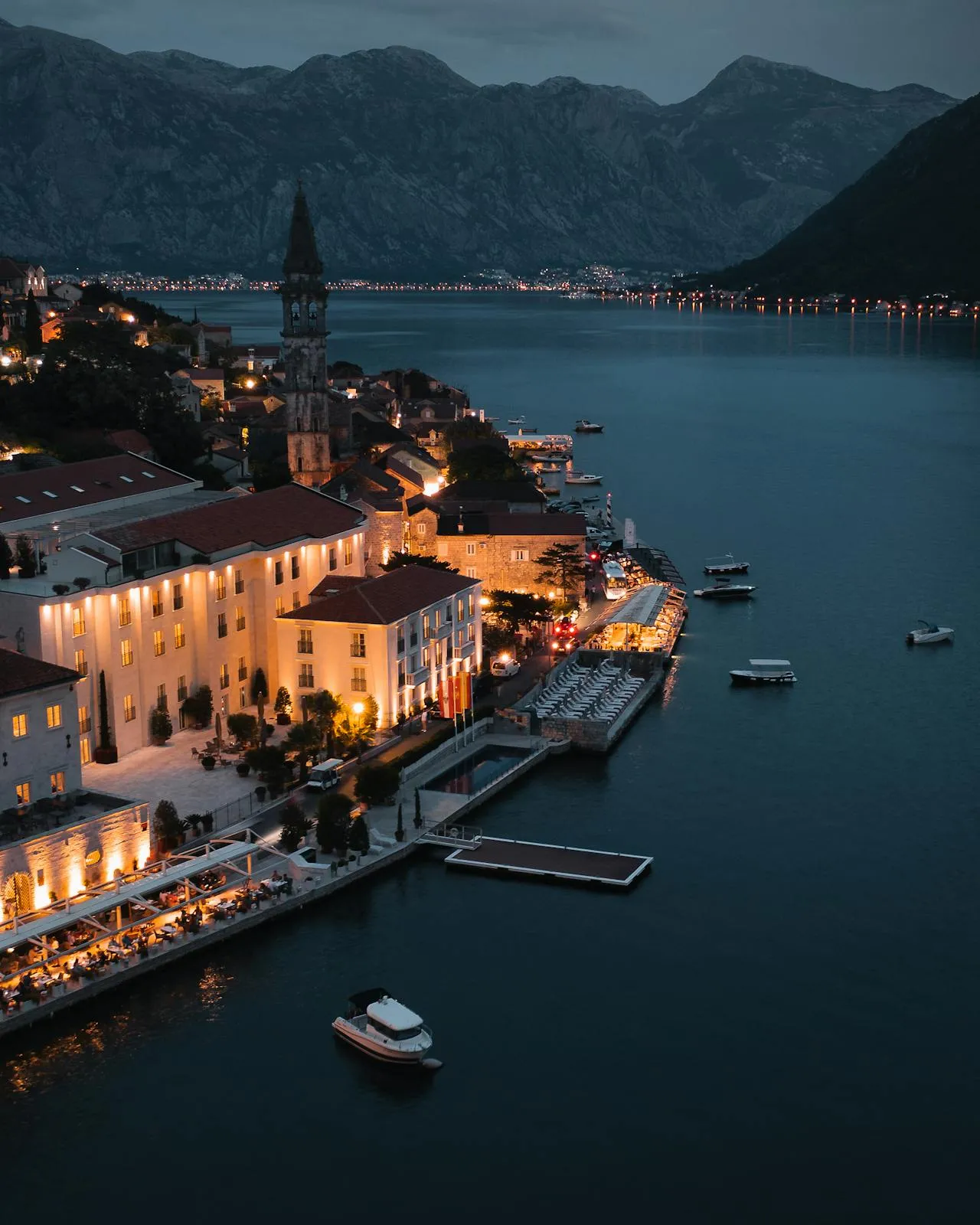
Perast sits on a single slender strip of waterfront beneath Mount St Elias, about 12 km north of Kotor along the inner Bay (Boka), with around 350 year-round residents and sixteen Venetian palazzo facades lined along one quay. The lanes near the core are tight and not built for cars, so traffic stays on the coastal through-road and you leave the car at the edge of the village. That layout makes Perast a calm base rather than a place you drive through: you park up, walk the entire waterfront in ten minutes, then take the car back out to reach Risan, the wider bay, and the mountain roads behind it.
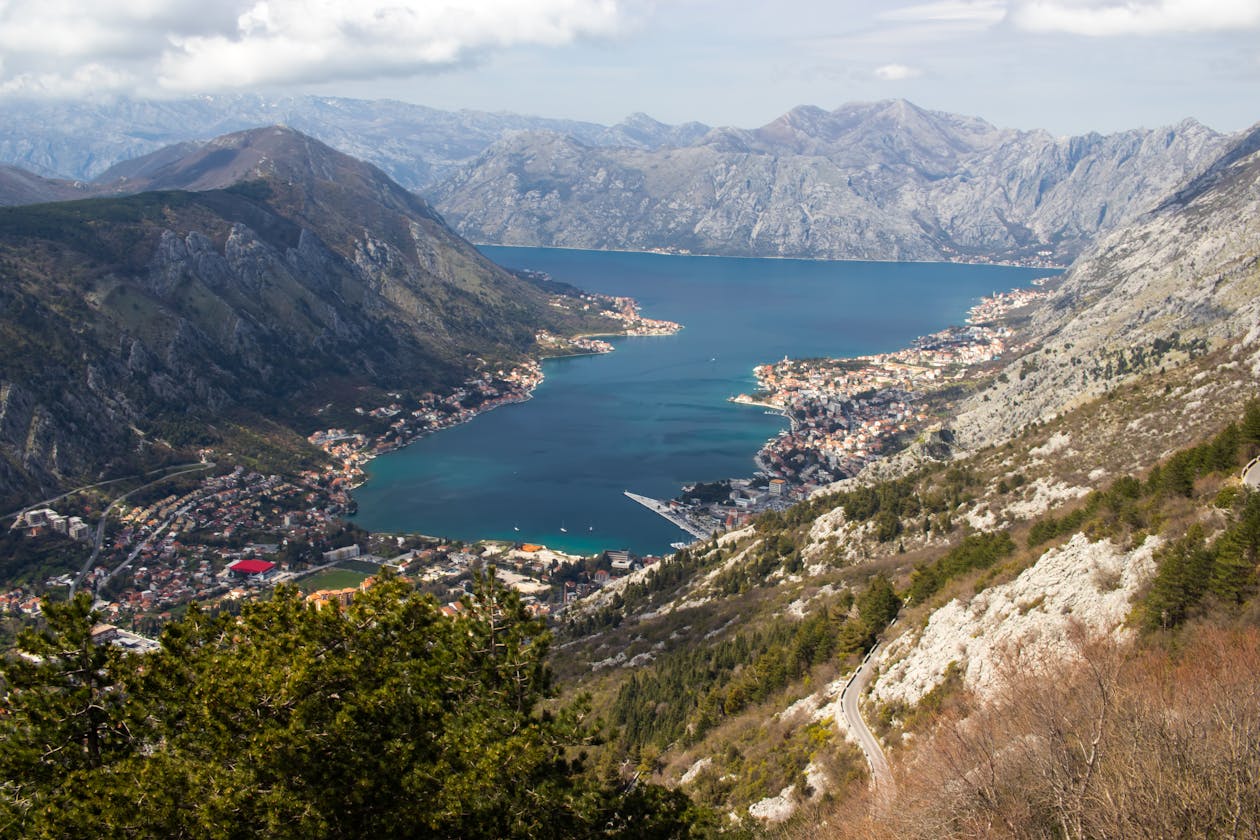
You explore the village on foot; the car is for the bay around it. Twenty minutes south sits Kotor and its walls, the Roman mosaics at Risan are barely five minutes along the shore, and an early start gets you to an empty cove before the first tour boats tie up. Small and central on the inner bay, Perast puts most of Boka's best drives within a few minutes of pickup, and you can check live prices for your dates before you commit.
Where to pick up in Perast
Collection in Perast is flexible, and because the waterfront has no through traffic, most pickups happen at the village edge or come straight to your door. The usual options are:
- East village car park (Istocni)
- West village car park (Zapadni)
Each option can be ready for your arrival, and since most rentals here come to you, switching to a one-way pickup or drop-off elsewhere on the bay is straightforward.
Getting there and driving
Most visitors reach Perast through Tivat Airport, roughly 40 minutes around the shore, with Kotor just 12 km and about 20 minutes south down the bay road. Podgorica Airport is around two hours inland and Dubrovnik in Croatia is a similar distance north including the border, so an arranged delivery or a one-way pickup usually makes more sense than juggling buses and boat transfers. Once you have the keys, the single coastal road carries you along the whole inner bay.
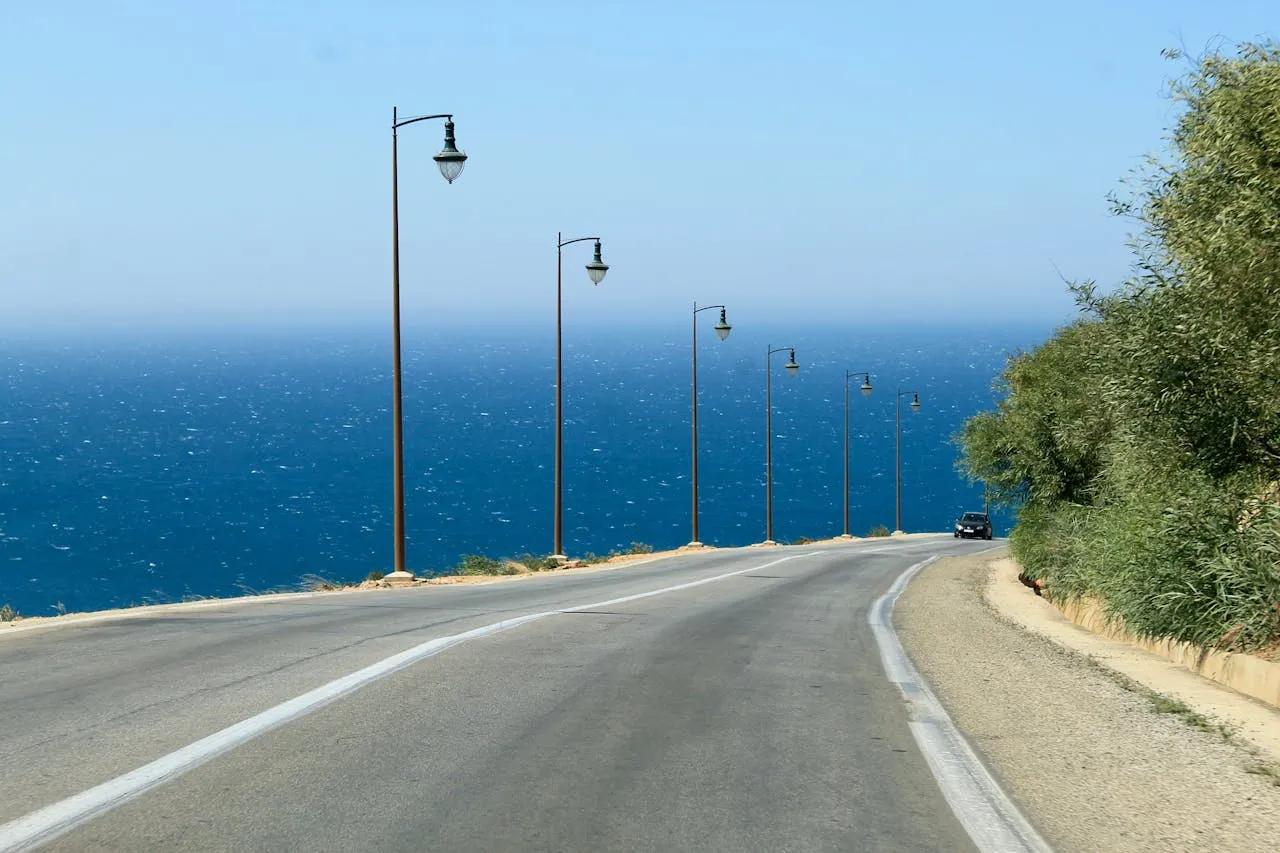
Driving in Perast itself is really about not driving into it; the waterfront core is closed to cars, so you skirt the edge on the through-road and park at the village entrance. The bay road is paved and beautiful but narrow in places, dropping to 40 km/h through the settlements with a fixed camera near Dobrota, so steady patience beats speed and the passing places are there for a reason. Heading south it is an easy run back to Kotor, while north the same shore leads on past Risan at the head of the bay.
Live prices and availability for your exact dates.
Free cancellation on most cars
Parking in Perast
Parking is the one thing worth planning for in Perast, because the narrow waterfront has no spaces along it. A small car park at the northern entrance holds around 30 vehicles and charges roughly 2 euros an hour, and in July and August the single village road becomes one-way, so the edge is as far in as you take the car. It fills quickly on summer mornings, so arriving early or in the shoulder hours pays off.
If the entrance car park is full, the reliable fallback is to pull onto the bay road 300 to 500 metres north of the village and walk in, an easy few minutes on foot to the quay and the boats. Out of season it is far easier: between October and April roadside spaces open up along the waterfront and parking is usually free. Many travellers sidestep the question entirely by taking free delivery on most cars to their accommodation and leaving the car at the door until they head out; if that suits your trip, you can check prices and availability for delivery.
Scenic drives and day trips
The signature outing from Perast is the shortest of all: skiffs leave the harbour roughly every half hour for the five-minute crossing to Our Lady of the Rocks, the hand-built islet with its baroque church, while the cypress-clad St George island alongside stays a working Benedictine monastery closed to visitors. With a car you can time the crossing for early morning, when the light is sharpest and the day boats from Kotor have not yet filled the quay, then be back on the road before the village gets busy.
Closer drives make perfect half-days from this base: Risan and its remarkably preserved 2nd-century Roman mosaics, including a famous depiction of Hypnos, are only five minutes north along the same calm shore. South it is around 20 minutes back to Kotor and its walled Old Town, and the mountain road up to Lovcen and Cetinje is a morning loop of switchbacks and big views beyond it. None of these are covered by the boat tours that leave the quay, which is exactly why a car earns its keep in Perast.
- Risanfive minutes on for the Roman mosaics
- Kotorsouth along the waterline
- Tivat Airportaround the bay to the runway
- Herceg Noviaround the western bay
- Budvaover Vrmac to the riviera
Day-trip routes from Perast
Tiny Perast makes a calm base for exploring the inner bay and beyond. Distances are round trip from the waterfront.
Perast and the inner bay (half day)
The Lady of the Rocks boat trip first, then the short drive to Risan for the Roman mosaics and on around the bay’s quietest stretch. Around 30 km round trip, half a day.
Perast to Kotor old town (short trip)
South along the shore 12 km to Kotor for the walled old town and the climb to the fortress, returning the same calm bay road. Around 25 km round trip, 3 to 4 hours.
Perast over to Lovćen (full day)
On to Kotor, up the serpentine to Lovćen and Njeguši, then back down to the bay. Around 70 km round trip, a full day with stops.
Perast to Herceg Novi (half day)
West around the bay past the Verige strait viewpoints to Herceg Novi’s seafront old town and the Spanish fort. Around 60 km round trip, 4 to 5 hours.
Driving around Perast: roads, rules and fuel
The village itself is threaded by one slim bayfront road, and because it is shut to through traffic in the busy months you approach from the coastal route and leave the car at the edge rather than nosing along the quay. The surface is fine, but the lane is genuinely tight, so you drive it at walking pace if you drive it at all, easing past people who are crossing freely and stepping out from doorways.
Beyond the village the shore road is the pleasant part: a calm, well-surfaced run that curves south toward Kotor and north toward Risan at the head of the bay, hugging the water the whole way. Keep your speed low through the linked hamlets, where walkers, cyclists and parked cars share a narrow strip with no pavement. There is no fuel in Perast, so top up at a station in Kotor or Risan, where pump prices are set nationally and the same everywhere.
What you need to rent
To collect a car at Perast you bring a full driving licence held for roughly a year, plus your passport or national ID card so the supplier can confirm who is driving. Licences printed only in a non-Latin script are usually paired with an International Driving Permit, which is worth sorting before you fly. The named driver on the booking should be the person who actually signs for and drives the vehicle.
Age shapes what you can take: 18 is the floor for picking up at all, most cars in the fleet open up from about 21, and an upper limit near 70 applies on some categories, with the wider choice sitting in between. A refundable deposit is held against the car on the lower tiers and returned after a clean handover. Reassuringly for the region, most vehicles here can be booked without a credit card.
One-way rentals and drop-offs
Starting from Perast, a one-way car rental is straightforward: take delivery of the car in the village or at your accommodation, then drop it at another point around the bay or at one of the coastal airports when you leave, so you never double back to return it. The collection and return towns are agreed when you book. Cross-border drop-offs are not handled, so the car comes home inside Montenegro.
Insurance and deposit
Every rental includes free Minimum third-party liability cover as standard, which satisfies the legal requirement to drive in Montenegro. On the lower tiers a refundable deposit of around EUR 100 is held against the car and released after a clean return, and most vehicles can be taken without a credit card, which is unusual for the region and handy if you only carry a debit card or cash.
If you would rather lower your exposure on the bay's narrow roads and tight village parking, paid upgrades step up through the Basic and Full Coverage tiers. The top Full Coverage Plus tier removes the excess entirely and waives the deposit, so there is nothing held on your card at all. Payment is flexible too, with cash, card and even crypto accepted.
For the tight bay road and the squeeze of parking at the village edge, a small car like the Toyota Yaris is the sweet spot, compact enough to slot into the little entrance car park yet comfortable enough to handle the run to Kotor and the climb toward Lovcen with the air-con running.
Pick up the keys and drive
In Perast the car waits at the edge while you wander the baroque waterfront and catch the boat out to the islands, then carries you on to a bay most day-trippers only see from the deck. With free delivery on most cars, a pickup minutes from the village, included third-party cover and most cars available without a credit card, the practical side stays simple. Arrange the car first and the rest, from Risan to the Lovcen serpentine, follows easily.
Perast car rental FAQ
Wondering where to leave the car beside the car-free waterfront, whether you really need a credit card, or how the bay road from Kotor drives? These are the questions renters in Perast ask us most.
Where do I pick up my car in Perast?
Most pickups are by free delivery on most cars to your apartment or hotel in or near the village, so the keys are handed over at the door and you often do not need to go anywhere at all. A handover at the car park by the village entrance can also be arranged, as can collection from Tivat Airport or Kotor if you are arriving from there.
Can I drive into Perast and park on the waterfront?
No. The narrow waterfront core is effectively car-free and goes one-way in summer, so you leave the car at the small car park by the village entrance and walk the last couple of minutes in. From there it is a short stroll to the promenade and the boat landing for Our Lady of the Rocks.
How far is Kotor and the airport from Perast?
Kotor is just 12 km south, roughly a 20-minute drive along the scenic bay road. Tivat Airport is about 40 minutes around the shore, which makes airport delivery or a one-way pickup convenient for arrivals and departures rather than relying on buses and boat transfers.
Do I need a credit card or a big deposit?
Most cars can be rented without a credit card, and on the lower insurance tiers only a refundable deposit of around EUR 100 is held. Choosing the Full Coverage Plus upgrade removes the excess and waives the deposit entirely. Cash, card and crypto are all accepted.
What is the minimum age and driving experience to rent in Perast?
It depends on the car. The entry-level vehicles are available from 18 with at least one year of driving experience, most of the fleet is open from 21, and a few categories ask for two to three years behind the wheel. The usual upper limit is around 70. Filter by your age and experience when you book and you will only see the cars in Perast you can actually drive.
How do I get to the island churches from Perast?
Skiffs leave the Perast waterfront continuously through the day in summer, and the five-minute crossing to Our Lady of the Rocks costs a few euros, with the boat waiting while you visit the baroque church and its small museum. The cypress-covered St George island alongside is a working Benedictine monastery and closed to visitors.
Can I pick up in Perast and drop off somewhere else?
Yes, one-way pickups and drop-offs are available, including at Tivat Airport, Kotor or other towns around the bay. Let us know your plan when booking so the right car and rate are arranged.
Pick up at the village edge or get free in-town delivery on most cars, then take the inner bay at your own pace.
Free third-party cover on every booking