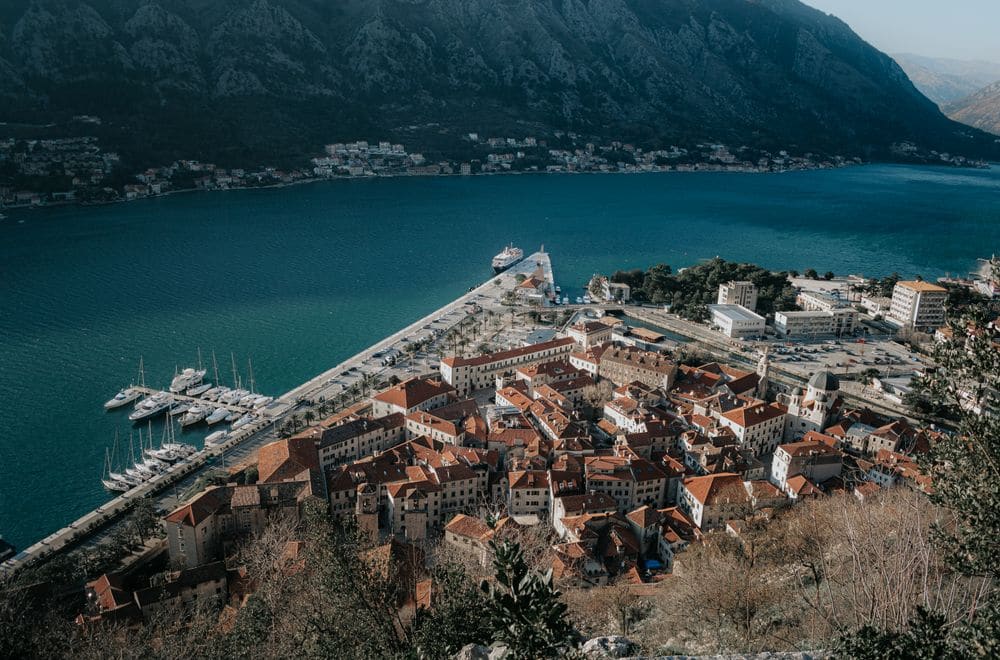
The Ridge Between Two Worlds
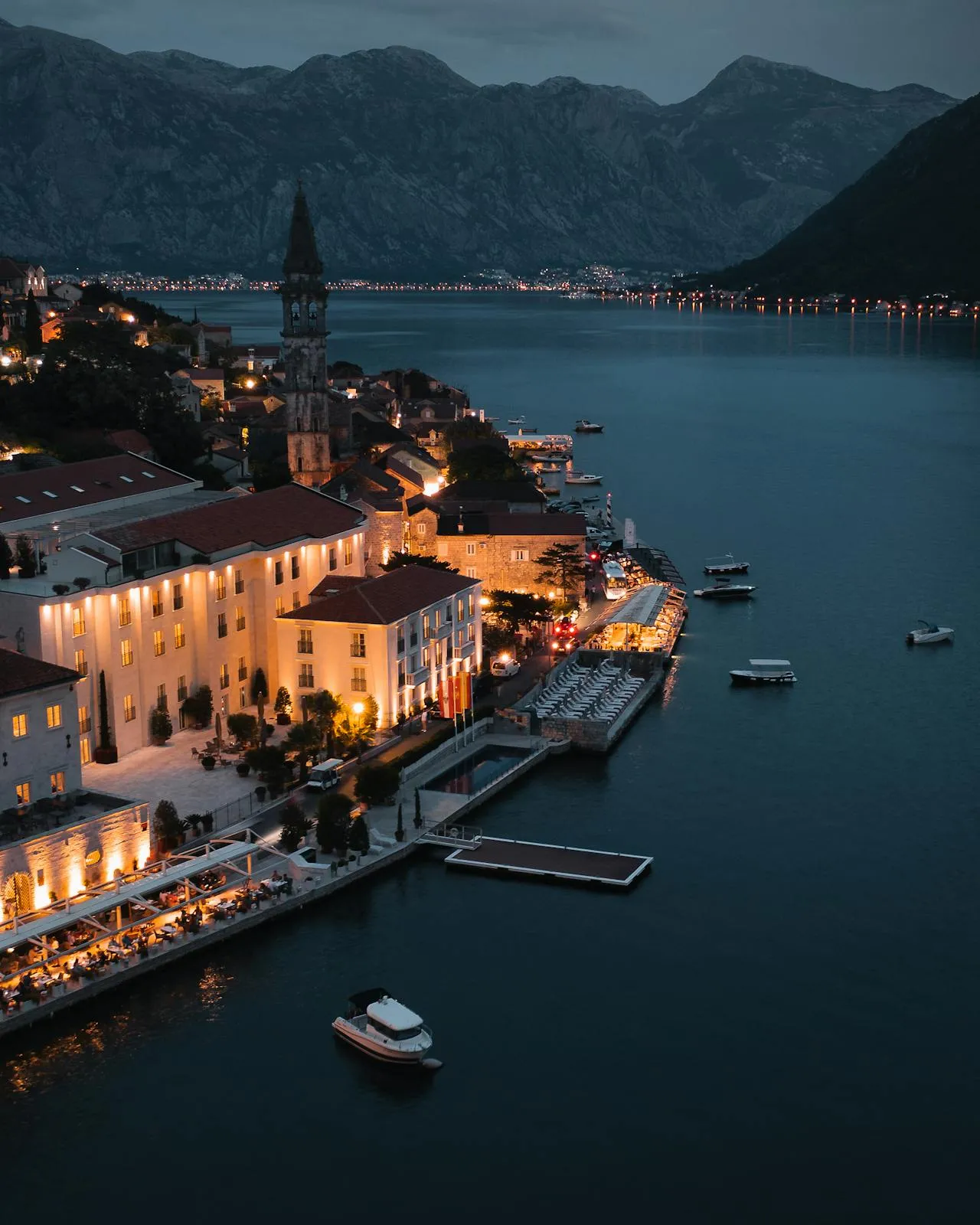
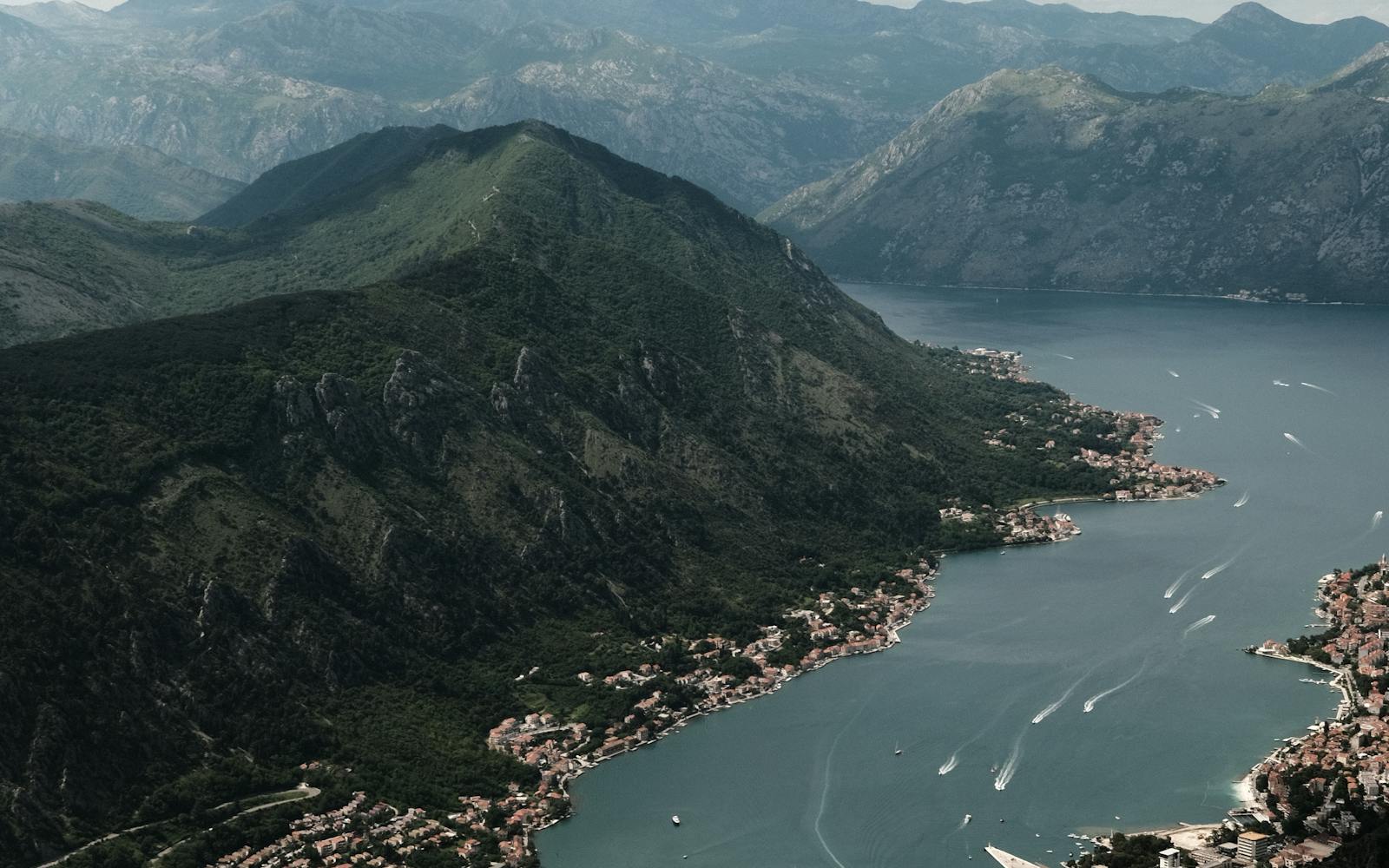
The Vrmac peninsula is the mountainous finger of land that separates the inner Bay of Kotor from the outer bay near Tivat. From below, it appears as a dark forested wall. From the top, it reveals panoramic views in every direction: Kotor's fortress to the east, Porto Montenegro to the west, Perast across the water to the north, and the open Adriatic beyond the Verige strait to the south.
The ridge trail is Kotor's best-kept hiking secret, far less crowded than the fortress climb, with better views and more shade. A rental car makes it accessible: the trailhead is a 10-minute drive from Kotor Old Town.
Getting to the Trailhead
From Kotor, drive south toward Tivat. After the Vrmac tunnel entrance (which you do not take), a small road branches left and climbs steeply through the hamlet of Prcanj. Follow signs for Vrmac or the Austrian fortress. A rental car is what gets you up to the ridge access; the trailhead has space for about eight cars on a gravel pull-off. Arrive before 09:00 in summer to secure a spot.
The approach road from Prcanj is narrow and steep, with a few tight bends between stone walls. Any car can handle it in dry conditions, but an SUV provides more ground clearance on the final unpaved section. If the trailhead lot is full, there is space for two or three more cars 200 metres back down the road on a widened verge.
The Trail
The main path follows the spine of the ridge through dense Mediterranean forest, holm oak, laurel, and wild herbs that scent the air. The surface is a mix of compacted earth and exposed rock. It is not technically difficult, but the elevation gain is steady and some sections are steep.
After approximately 45 minutes of walking, you reach the ruins of Fort Vrmac, an Austro-Hungarian military installation built in the 1860s to control the bay entrance. The fort is partially ruined but explorable. The rooftop (accessible with care) provides the 360-degree panorama that makes the effort worthwhile.
The trail continues beyond the fort along the ridge toward Tivat for another 30 to 40 minutes. This extended section is less travelled and passes through thicker forest before emerging at a second, smaller fortification. Most hikers turn back at the main fort, but the extension is worthwhile if you have the energy, the solitude increases dramatically past the first ruin.
The Austro-Hungarian Fortress
Fort Vrmac was part of a chain of defensive positions the Austrian Empire built around the Bay of Kotor in the 19th century. It was designed to house artillery commanding the Verige strait, the narrow passage connecting the inner and outer bay. Today the walls stand, the underground chambers are dark and damp, and the rooftop offers what might be the single best viewpoint on the entire bay.
Explore the fort at your own pace, but exercise caution. The underground chambers are unlit and the floors uneven. Bring a head torch if you want to explore them properly. The rooftop is accessed by a crumbling external staircase, sturdy shoes are essential. From the top, you can identify nearly every landmark on the bay: Kotor's walls, Perast's palazzi, the two islands, Porto Montenegro's masts, and the Verige narrows where the inner and outer bays connect.
Live Kotor car rental prices for your exact dates.
Free cancellation available on most cars
Flora and Fauna
The Vrmac ridge is a surprisingly rich habitat. In spring, wild orchids and cyclamen grow beside the trail. Year-round, you may spot Hermann's tortoises crossing the path, they are common on the ridge and entirely harmless. Birdsong fills the forest canopy: warblers, woodpeckers, and the distinctive call of the Eurasian jay. In autumn, the holm oaks drop acorns that crunch underfoot, and the laurel trees fill the air with their distinctive fragrance.
Hiking Tips
- Duration: 90 minutes to 2 hours round trip from the trailhead to the fort and back.
- Water: Carry at least 1 litre per person. There is no water source on the trail.
- Footwear: Trail shoes or sturdy trainers. The rocky sections are uneven.
- Shade: Most of the trail is forested, making it more comfortable than the exposed fortress climb in Kotor.
- Season: Walkable year-round. Spring (April-May) is ideal, wildflowers, mild temperatures, and clear air.
- Sun protection: The fort rooftop is fully exposed. Sunscreen and a hat are essential in summer, even if the trail below was shaded.
Combine With
After the hike, drive through the Vrmac tunnel to Tivat for lunch at Porto Montenegro, or return to Kotor and cool off at one of the bay's swimming spots. Read our guide to the best swimming spots around the bay for nine options within 30 minutes of Kotor.
The Trail by Season
Spring (April to May) is the finest season for the Vrmac ridge. Wildflowers carpet the clearings, the air is cool enough for comfortable hiking, and visibility across the bay is at its clearest. The trail surface is dry by mid-April after the winter rains, and the forest canopy provides dappled shade.
Summer brings heat. By mid-morning in July, temperatures on the exposed fort rooftop can exceed 35 degrees Celsius. Start early, aim to be on the trail by 07:30, and carry extra water. The forested sections remain tolerable, but the open areas around the fort are punishing in the midday sun.
Autumn (September to October) is a close second to spring. The summer crowds have left, the bay water below is still warm enough for a post-hike swim, and the holm oaks begin to drop acorns that crunch underfoot. Winter hiking is possible but the trail can be muddy after rain, and the exposed sections are cold and windswept.
Parking and Logistics
The trailhead parking is free but limited to roughly eight vehicles. In peak summer (July and August), spaces fill by 09:00. Alternatives: park in Prcanj village and walk up the access road (adds 20 minutes each way), or arrange a drop-off with your accommodation. The access road is not suitable for large vehicles or camper vans.
At a Glance
Compare cars with live prices and free delivery around Kotor.
Free cancellation available on most cars